-
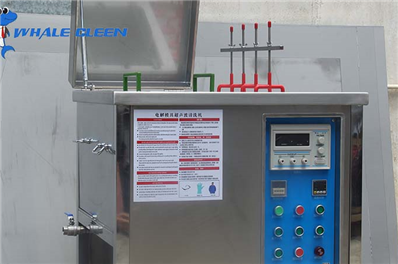 The advantages of vacuum hydrocarbon ultrasonic cleaning machine
A hydrocarbon cleaning machine should be the most environmentally friendly cleaning method to solvent for a hydrocarbon solvent, is a non-toxic and harmless environmental cleaning agent, no harm to the human body. The special vacuum system of hydrocarbon
-
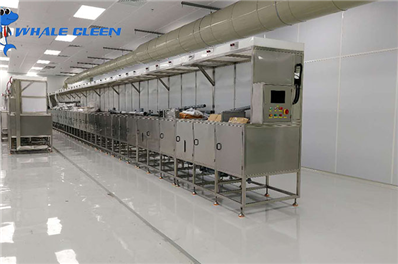 Ultrasonic Cleaning Excellence in Adherence to New Standards
In the ever-evolving landscape of industrial technologies, the field of cleaning has witnessed a paradigm shift with the emergence of ultrasonic cleaning systems. Among these, ultrasonic cleaners have gained prominence as highly efficient tools, finding e
-
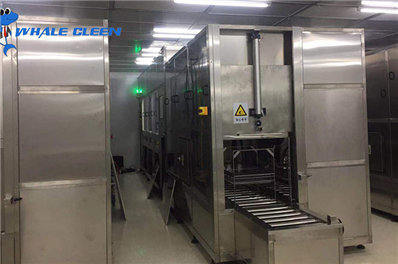 Ultrasonic Cleaning Technology: Restoring Aging Items through Deep Cleaning
Deep cleaning is a critical process for restoring aging items to their original state and functionality. Over time, aged items accumulate various contaminants, oxidation, and other deposits due to prolonged use, storage, or exposure to environmental condi
-
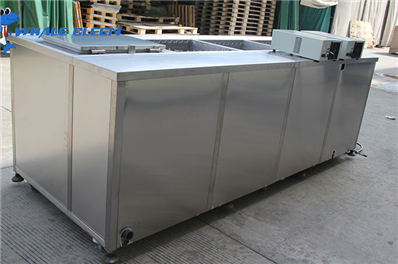 Enhancing Marine Propeller Efficiency: Ultrasonic Cleaning Technology
Cleaning marine propellers is a crucial aspect of ship maintenance. Its objective is to restore the smoothness and efficiency of the metal surface, ensuring the performance and safety of the vessel. In this process, ultrasonic cleaning machines play a piv
-
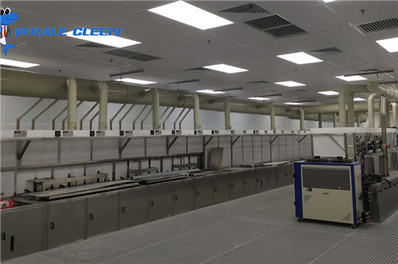 Future Trends in Cleaning: Pioneering the Wave with Ultrasonic Cleaning Devices
Cleaning technology is experiencing a transformative shift towards the future, and at the forefront of this wave is the innovative application of ultrasonic cleaning devices. This article delves into the professional analysis of the cutting-edge trends, e
-
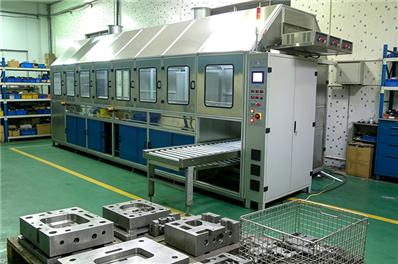 No Harsh Chemicals? How to Achieve Micron-Level Cleanliness for Nickel-Plated Substrates
You've dialed in the nickel plating bath chemistry. The temperature is right, the current density is optimized, and the dwell time is precisely controlled. Yet the plating still blisters. The cross-hatch test fails. The adhesion just isn't there.T
-
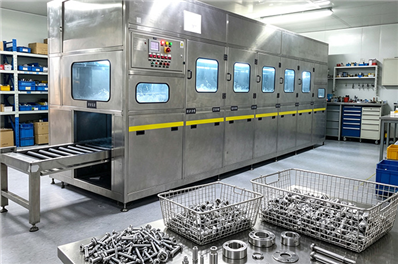 Ultrasonic vs. Electrolytic Ultrasonic Cleaning: What's the Real Difference in Metal Finishing Cleanliness?
In metal finishing and electroplating operations, cleanliness is not just a quality metric—it is the foundation upon which adhesion, corrosion resistance, and final product performance are built. A single speck of oil residue on a stamped metal part can c
-
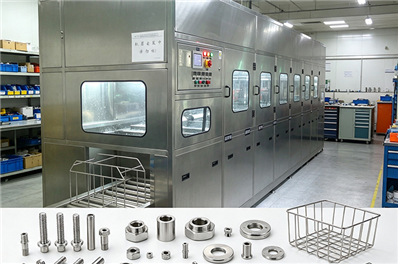 Ultrasonic Cleaning Machine: Why Disassemble Molds When You Can Clean Carbon Deposits in Minutes?
In industrial manufacturing, few maintenance tasks are as time-consuming and costly as mold cleaning. Production managers know the drill all too well: shutdown the line, wait for the mold to cool, disassemble every component, scrub stubborn carbon deposit
-
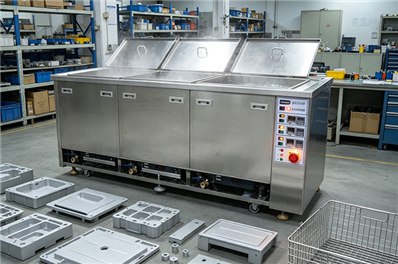 Ultrasonic Electrolytic Cleaning for Molds: Eliminate Gas Coke and Toner Residue That Causes Yellowing and Flow Marks
The Persistent Mold Contamination Problem In injection molding, the mold is the heart of production. But over time, even the best-maintained molds accumulate stubborn contaminants that no amount of wiping or solvent dipping can fully remove. Two of the
-
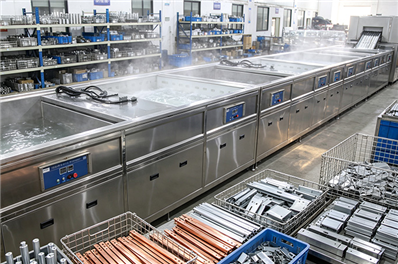 How to Select an Ultrasonic Cleaning Machine for Engine Cylinder Blocks
In heavy-duty equipment repair and engine remanufacturing, the cleaning of cylinder blocks is a critical and demanding task. These large, complex cast-iron or steel components contain intricate networks of oil galleries, water jackets, blind holes, and pr
-
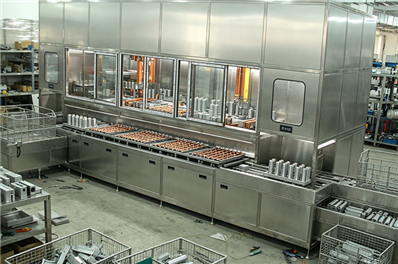 The Milling Cutter & Tap Cleaning Secret: Why Ultrasonic Outperforms Manual Methods
In any precision machining environment, the cleanliness of cutting tools like milling cutters and taps is directly linked to part quality, tool life, and production stability. Yet, the most common cleaning method—manual scrubbing with brushes, cloths, or
-
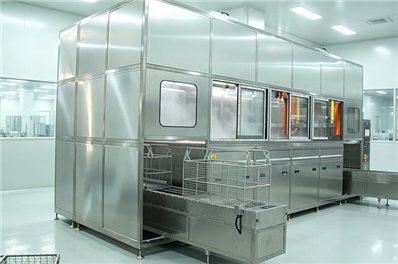 Precision Gauge Maintenance: How Ultrasonic Cleaning Avoids Costly Missteps
In the world of precision manufacturing, a precision gauge is the silent guardian of quality. Its dimensional accuracy dictates the fit, function, and safety of countless industrial products. Yet, a gauge's long-term accuracy isn't just a function